
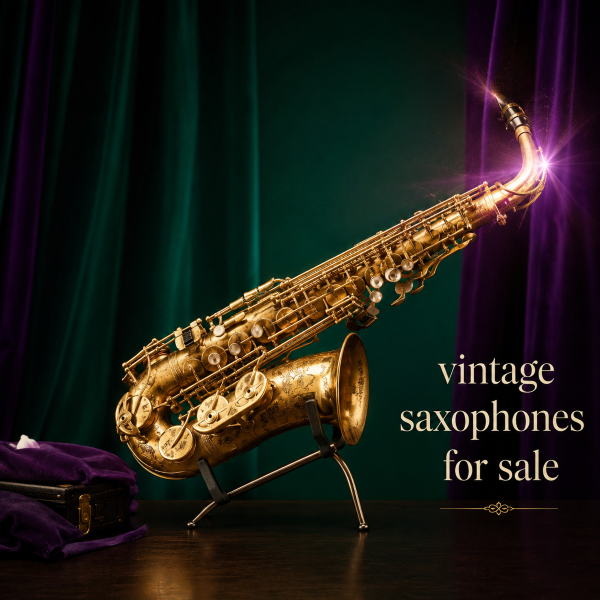
A restored saxophone can offer an appealing mix of history, character, and practical playability. But is it really worth the money? For players who like classic instruments, vintage saxophones for sale can be a great choice when the restoration work is sound, and the instrument matches their needs. The key is to look beyond the shiny finish and understand what has actually been repaired, replaced, and tested.
What Should You Check Before Buying?
Restoration can mean different things to different sellers. One saxophone may have received a full overhaul, while another may only have been cleaned and had a few pads replaced.
Ask for a clear description of the work. Find out whether the pads, corks, felts, springs, and key adjustments were replaced or repaired. Also ask whether the body was checked for leaks and whether the keys were properly regulated.
Look at the body carefully
Vintage saxophones have lived long lives, so small signs of wear are normal. Dents, scratches, worn lacquer, and light discoloration can add character. However, major damage deserves closer attention. Large dents around tone holes, badly bent key guards, or poorly repaired body damage may affect playability.
Check the neck as well. A damaged or poorly fitted neck can create problems with response and tuning. It is a small part, but it has a big role in how the instrument feels when played.
Pay attention to the keys
Keywork can tell you a lot about a restored saxophone. The keys should move smoothly without excessive side-to-side movement.
Press the keys gently and watch how they return. Sluggish movement may point to worn springs, friction, or adjustment issues. Also look for loose posts or key guards. A professional restoration should leave the mechanism feeling controlled and dependable rather than stiff or rough.
Ask about the pads
Pads are one of the most important parts of a playable saxophone. Old pads may leak even when they look fine.
Ask what type of pads were installed and whether the instrument was play-tested after the work. Proper seating and adjustment matter just as much as the pads themselves.
Listen to the sound
Photos can tell you about appearance, but they cannot tell you how the saxophone sounds. Whenever possible, hear a recording or play the instrument in person. Listen for response, tuning, projection, and tone consistency.
Vintage instruments can have a distinct voice. Some players love that character. Others may prefer the more predictable feel of a modern horn.
Check the history
A saxophone with a known history can be easier to evaluate. Ask about the maker, model, approximate age, serial number, previous ownership, and restoration work.
A trustworthy seller should be willing to provide useful details. If the description is vague, ask direct questions before making a purchase. For collectors, original parts and finishes may matter. For working musicians, playability and mechanical condition may matter more. Knowing your goal helps you decide which details deserve the most attention.
Think about value, not just price
A restored vintage saxophone is not automatically a bargain. The value depends on the model, condition, originality, restoration quality, and market demand.
A lower-priced horn may need expensive work later. On the other hand, a carefully restored instrument can be ready to play and may save you from starting a repair project yourself. That is why comparing the total cost is important.
Consider your playing level
A restored vintage horn can work well for experienced players who know what they like. Beginners can also enjoy vintage instruments, but they may benefit from trying a few horns first.
Older saxophones can have different key layouts, resistance, and response. What feels natural to one player may feel unusual to another. Before buying, spend time with the instrument if possible. A short playing session can reveal more than a long product description.
Think about tenor options
Players searching specifically for a larger horn may come across a vintage tenor sax for sale. Tenor saxophones have a strong, rich voice and are popular in jazz, blues, concert, and other styles.
The same buying rules still apply. Check the neck, body, pads, keywork, tuning, and restoration details. Also make sure the size and weight feel comfortable when you play.
Know the seller
Seller reputation matters when buying a restored instrument. Look for clear photos, honest descriptions, detailed restoration notes, and a reasonable return policy when available.
A specialist seller may also be able to answer questions about setup and future servicing. That support can be valuable, especially with an older instrument.
Make the decision based on playability
For most players, the real test is simple: does the saxophone play well and fit your needs?
When comparing vintage saxophones for sale, look at the complete picture. Consider condition, restoration quality, sound, comfort, history, and price rather than focusing on appearance alone.
A well-restored saxophone can give you a rewarding playing experience and a connection to an earlier era of instrument-making. Still, buying wisely takes a little patience. Ready to choose a restored vintage saxophone? Focus on its condition, restoration quality, sound, and history before making your final decision.